Showing posts with label day trips. Show all posts

Wednesday, September 25, 2013

Great Day Trips From Cuenca

Cuenca is located in the midst of the most breathtaking landscapes in Ecuador, surrounded by the majestic Andes Mountain, stunning turquoise lagoons, and lush national parks and cloud forests that will take your breath away.  Although this beautiful city offers travelers plenty to see and enjoy, taking a day trip outside of Cuenca is a must, as you will get to see and immerse yourself in the area's natural wonders and have a greater sense of the local culture and people.

Ingapirca
About an hour drive north from Cuenca is the sight of the Inca empire’s only remaining sun temple.  Located on a hill at 3,200 meters elevation with panoramic views over the surrounding countryside is Ingapirca, which means “Inca stone wall,” Ecuador’s best set of pre-Columbian ruins. 

Most people will opt for a day tour, which can easily be found online or in Cuenca, but you can also get there by bus Trans-Cañar buses that run direct from the main terminal terrestre at 9am and 1pm daily ($2.50), and return at 1pm and 4pm.

By all mean, this isn’t Machu Picchu in Peru.  However, the drive and the view of the countryside surrounding the ruins is idyllic, and as it is an important history and heritage of the local people, it’s definitely worth the trip.  

A word of warning, there are 2 ways to get to Ingapirca from the Panamericana highway, either via North entrance from the town of El Tambo or from South just outside of Cañar.  Both are under a heavy construction (as of August 2013), which will take additional 30-45 minutes to get to the ruins.
Cajas National Park
Cuenca is surrounded by beautiful landscapes and nature, and Cajas National Park is one of the most magnificent sites. 

This hiker's paradise, also Ecuador’s natural heritage, is located about 30 minute west of the city, is filled with golden-brown grasslands reminiscent of the Scottish Highlands and over 200 clear cold mountain lakes.  Although the water is too cold for swimming, their clear still surface gives them an enchanting mirror-like character, especially when they reflect the colors of the deep blue mountain sky.
You can hike through the high elevation grasslands or stroll through the lowlands of the park. Also, be sure to check out Hosteria Dos Chorreras, especially their restaurant along the way to the highlands to sample their scrumptious trout dishes.
The Valley of Gualaceo & 4 Villages
  • Gualaceo, a town known for its leather goods and also famous for its Sunday market that sells mostly produce, animals, household goods and leather shoes
  • Chordeleg, a pre-Incan town known for their gold and silver
  • Sigsig, declared as Urban Cultural Heritage of Ecuador for the great number of republican-style buildings, and also famous for their handmade paja toquilla hats
  • San Bartolome, a picturesque little village perched on top of the Andes, famous for their handcrafted guitars
El Chorro de Giron
About an hour drive South from Cuenca through the picturesque countryside of Tarqui and Yunguilla Valley is El Chorro de Giron, a massive waterfall reminiscent of Yosmite’s Bridalveil Fall. Like Bridalveil Fall, you’ll be able to hike or climb right upto the waterfall, so close that you can actually stand underneath it if you so desire. The thunderous sounds was massive, and the temperature of the water is freezing. However, it makes for a fun experience, especially with children. 
sitting on the veranda of the restaurant enjoying the view
About half way to the fall, be sure to stop at the Portete Monument, commemorating the triumph of Ecuador over Peru in the Battle of Tarqui. Four obelisks that rise from the top of the monument is the highest point in the area at 8,900 feet, you will get a spectacular view of the valley, especially around sunset.
Laguna de Busa
From El Chorro de Giron, you can drive further on to Laguna de Busa. The panoramic view of the lake is breathtaking, and what we liked best was just strolling around the lake and take in the beauty of it all.
Ecuador, A Wonderful Introduction to South America (Part 1: Quito)
Ecuador, A Wonderful Introduction to South America (Part 2: Cuenca)
Ecuador, A Wonderful Introduction to South America (Part 3: Guayaquil & the Coast)

Monday, July 23, 2012

Great Daytrips from Frankfurt

Without a doubt one of the biggest advantage of living in Frankfurt is its location, being that it’s the most centrally located city in Europe. Within matter of hours, you can be in Paris or Berlin, sunbathing in the French Riviera or swooshing down the Alps. For an avid traveler like me, there was no better place to be.

Also, Frankfurt is located near some of the most idyllic landscapes, charming towns and historical landmarks in Germany, and one could easily do a day trips by car or train to some of the most beautiful sites and cities in Europe.

The Rhein (River)
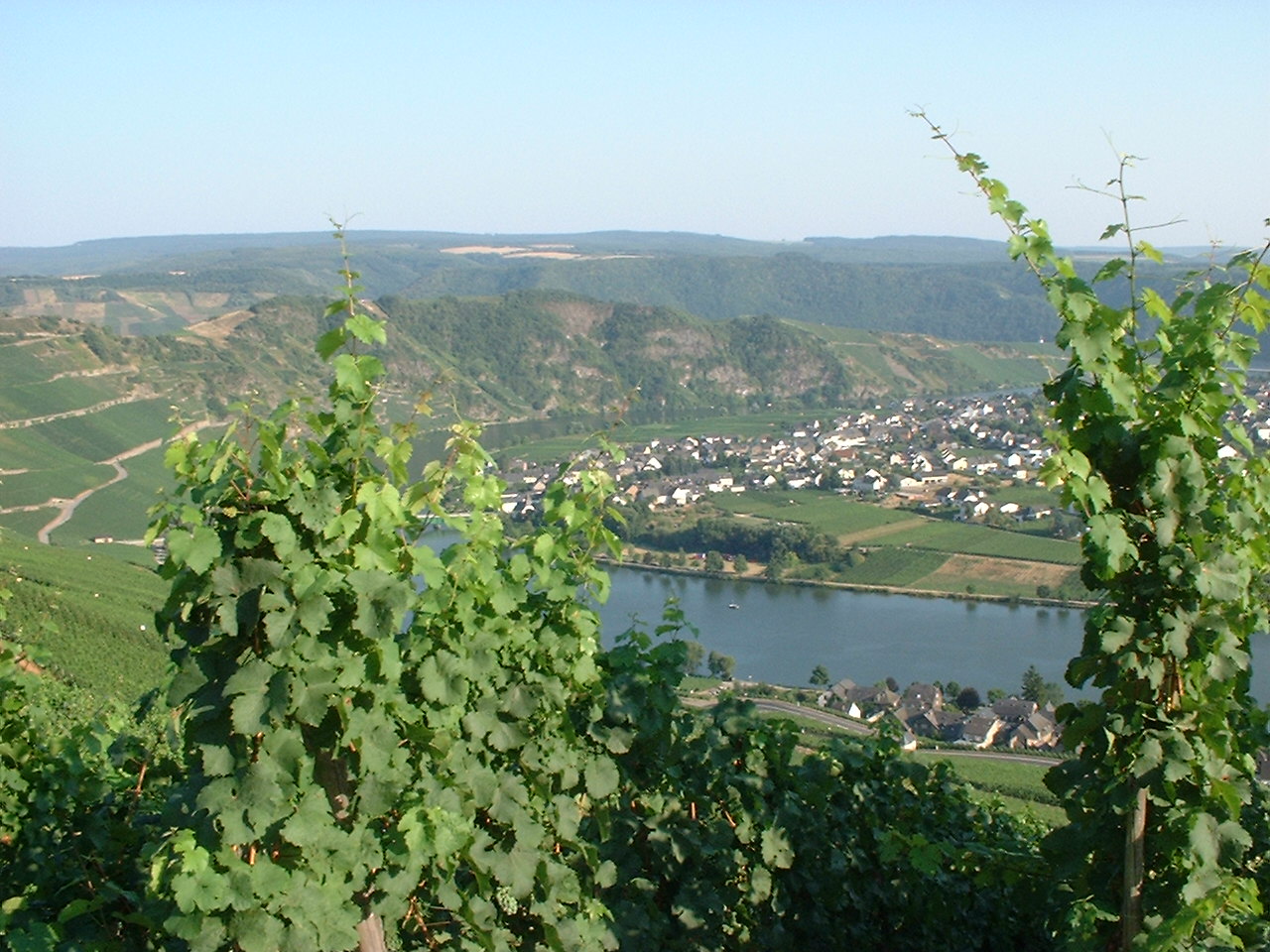
The landscapes and villages along the Rhein are some of the most gorgeous landscapes in Germany, or Europe for that matter, and whether you’re traveling by train, car or biking through this area is perfect for sightseeing as well as sampling the local and traditional German culture.

The route from Frankfurt to Koblenz is one of the most scenic drives in German, and this area is home to many ancient and majestic castles, which date back into the Middle Ages, including Bingen, Burg Rheinstein, Burg Pfalz and Burg Maus, among others.

Also, some of Germany finest vineyards are located along the Rhein and offers beautiful scenery. Late September and October are great time to be in this area, and to tour and sample wine, and in the summer, there’s also a Champagne Festival in the town of Eltville near Mainz.

Notable cities along the Rhein:
  • Koln (Cologne) is home to some of the most impressive modern and contemporary art museums in Europe, notably the Museum Ludwig, which houses one of the largest Picasso collections in Europe.
  • Mainz was a long an important city in the Roman Empire hosting 7 coronations of Roman Emperors, and is a city where Johannes Gutenberg first used his movable-type printing press. Unfortunately, there is very little information about Gutenberg and the Gutenberg Museum here is fairly disappointing. However, the two major cathedrals, Dom St Martin and St Stephan are absolutely impressive. Especially worth seeing is the Chagall choir windows in St. Stephan.
  • Wiesbaden is a pretty little town that is reminiscent of the old Europe, and it’s definitely a great city for the first time visitors to Germany.
a picturesque village Rudesheim
beautiful town of Mainz
The Chagall choir windows in St. Stephan
A Francophile Russian-born Jew with French citizenship, Chagall wanted a monument of "reconciliation" between France and Germany and between Jews and Christians. Although his decision to do the windows was extremely difficult, by agreeing to make windows for Mainz, Chagall saw an opportunity. Germany has seldom been at peace in its search for postwar symbols, but the tranquil monument in Mainz seems to stand apart with its radiance and redemptive aurora. – “Chagall's Angelic Dream Comes True” by John Schmid
The Mosel (River)
The Mosel, located near Germany's western border, is a river that flows through France, Luxembourg, and Germany. The region is full of charming little villages and fine wineries, and on summer weekends and during the fall harvest time, the Mosel comes alive with wine festivals.
The most scenic piece of the valley lies between the towns of Bernkastel-Kues and Cochem, and the picturesque little town of Bernkastel-Kues, tucked between steep vineyards and the river, is a wonderful place for strolling and wine-tasting.
On the trail of the Holy Roman Empire
Slightly off the beaten path from Frankfurt are astonishing remains and reminders of days when Germany was part of the Holy Roman Empire.  Worm (pronounced "vorms") is a charming little town about 28 miles south of Mainz. Even before the Romans arrived in 14 BC, it was the capital of the Germanic tribes. Today, Worms is famous for its archive of Romanesque architecture (it boasts five Romanesque churches, including the cathedral), and along with Trier and Cologne, it remains to be one of the oldest cities in Germany.
Saalburg is the most completely reconstructed roman fort in Germany, which has been designated as a UNESCO World Heritage site since 2005.  
In search of German Culture & Art
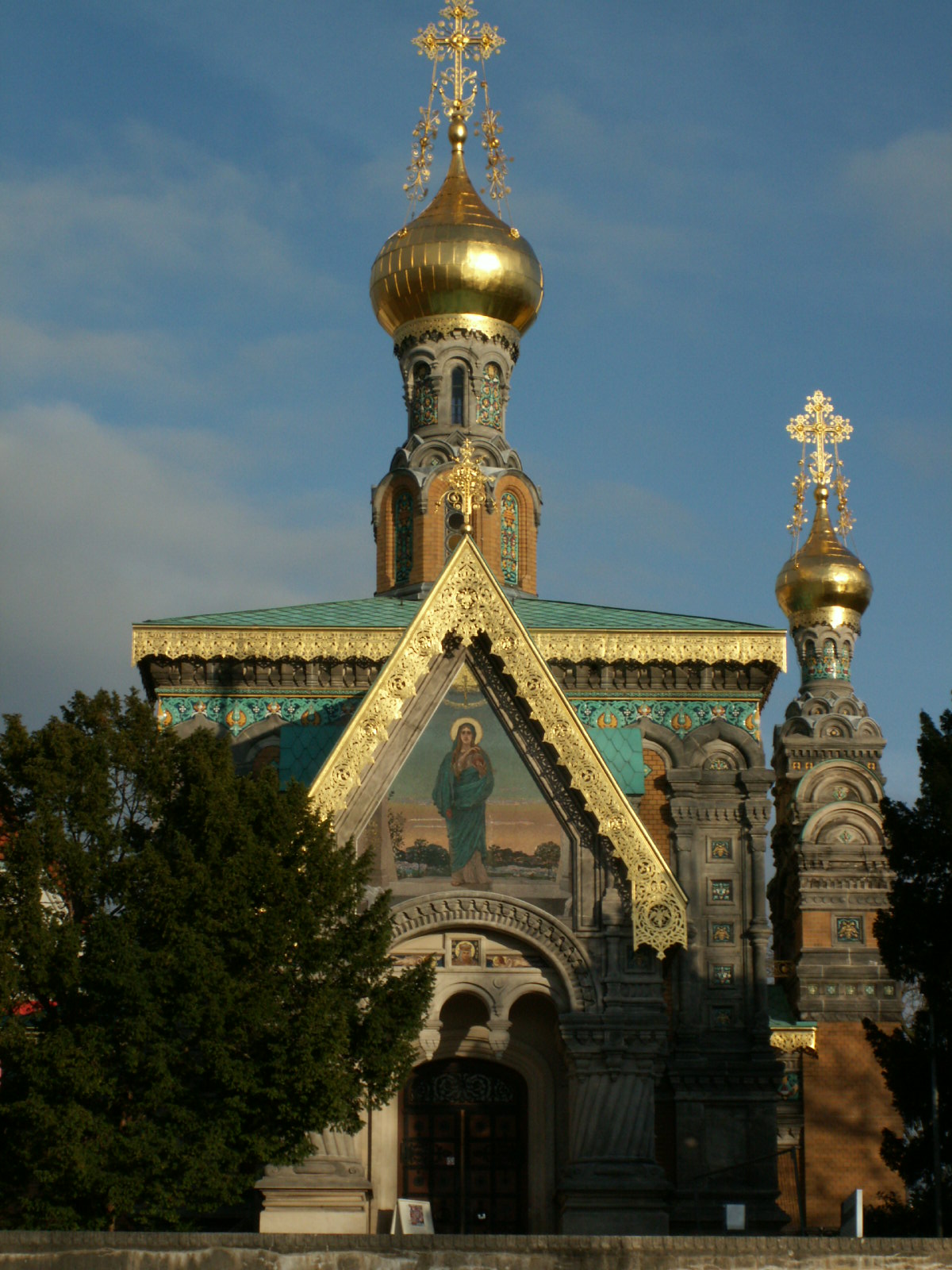
Darmstadt an industrial town about 30 minutes south of Frankfurt.  It’s known mostly for the Technical University; however, there is also an interesting artist colony and forum called Mathildenhohe that is definitely worth checking out.
Bad Soden is a sweet little town near Frankfurt, known mainly for the Hundertwasserhaus, a residential building by the artist/architect Friedensreich Hundertwasser.
Heidelberg is a charming little city about 2 hours south of Frankfurt. Well-known for its world-renowned university and Heidelberg Castle, it is one of the most popular destinations in Germany.