
Porsche, Oktoberfest, bratwurst, and fairytale castles – these are some of the things that come into mind when we think of Germany. However, what is less-known but more significant is that Germany is home to some of the best museums in the world.
Hailed as the cultural capital of Europe, Berlin was one of Europe’s most influential economic, cultural and political center since it's origins as a trading post in the 13th century, and at the turn of century, Berlin enjoyed a period of unprecedented prosperity and creativity.
However, after WWI, the German economy collapsed, and as Hitler and the Nazi party came into power, Germany became the center of one of the most infamous regimes in history, and remained so until 1945.
Sadly, during this period, much of Germany’s arts and culture were annihilated. All modern style of art were considered as degenerate and were banned or confiscated. The only type of art that was promoted were paintings and sculptures that promoted extreme patriotism and nationalism.
It has taken almost half a century for Germany to shed its torrid past, and after the fall of the Berlin Wall, Germany has once again reestablished itself as the cultural capital of Europe. Liberal and socially progressive atmosphere has helped to attract artists of various venues from all over the world, and Germany has once again become one of the top cultural destination.
The Museum Island/Mitte:

 In Moabit:


 In Kreuzberg:
 In Charlottenburg:
Museum Ludwig
Roy Lichtenstein's M-Maybe, Andy Warhol's Brillo Boxes and George Segal's Restaurant Window, all icons of American Pop Art, had all just been completed when in 1969 they arrived as a loan at Wallraf-Richartz-Museum. The works come from Peter and Irene Ludwig, who had put together the largest Pop Art collection outside of the USA. The Museum Ludwig is devoted to modern art from the beginning of the 20th century.
It's also the home of one of the world's largest collections of the works of Pablo Picasso, equaled only by the Picasso museums of Barcelona and Paris. The museum's collection was beefed up when Irene Ludwig, widow of the late German art patron Peter Ludwig, who donated 774 works of Picasso to the museum.
Mathildenhohe
The Artists’ Colony Mathildenhöhe is considered the most beautiful Art Nouveau/Jugendstil complex in Germany. It provided impulses toward reform in the areas of architecture, landscape art, interior design, and arts and crafts.

Nacht der Museen (Night of the Museums) takes place usually in May/June, and it is one of the most festive events in Frankfurt, as more than 50 museums and exhibition houses open there doors, appropriately enough, at night from 6pm - 2am. It's an opportunity to enjoy art in all its diversity, and musicians and dancers produce temporary works of art in unique settings to lighten up the night. There's also music, readings, performances, food stands and parties throughout the city.
Hamburger Kunsthalle
The leading art museum in northern Germany, the Kunsthalle is one of the most important in Europe, with some 3,000 paintings in its treasure-trove, along with some 400 sculptures. Some of its rare treasures date from the 14th century, including works by Bertram, the leading German master of the time. One section of the gallery also displays modern works, including pieces by such artists as Andy Warhol, Joseph Beuys, and Picasso.
Herford
MARTa Herford
Who would have thought that an architectural masterpiece by Frank Gehry would stand in the middle of vast farmland in Northern Germany?
Nevertheless, the idea for the museum formed in 2000, drawing from Herford's status as a German center of furniture and home furnishing production, reflecting on its name MARTa is an acronym for Möbel (German for furniture), ART (simply art in English), and Ambiente (ambience). Then, Frank Gehry put his distinctive touch on the brick and stainless steel structure in 1998, and built both a unique design and a signature building that obviously is of Gehry’s artistic mind.
The museum has a nice collection of contemporary art; however, the building itself seems to be the main attraction.
Documenta
Hailed as the cultural capital of Europe, Berlin was one of Europe’s most influential economic, cultural and political center since it's origins as a trading post in the 13th century, and at the turn of century, Berlin enjoyed a period of unprecedented prosperity and creativity.
However, after WWI, the German economy collapsed, and as Hitler and the Nazi party came into power, Germany became the center of one of the most infamous regimes in history, and remained so until 1945.
Sadly, during this period, much of Germany’s arts and culture were annihilated. All modern style of art were considered as degenerate and were banned or confiscated. The only type of art that was promoted were paintings and sculptures that promoted extreme patriotism and nationalism.
It has taken almost half a century for Germany to shed its torrid past, and after the fall of the Berlin Wall, Germany has once again reestablished itself as the cultural capital of Europe. Liberal and socially progressive atmosphere has helped to attract artists of various venues from all over the world, and Germany has once again become one of the top cultural destination.
The Museum Island/Mitte:
- Denkmal für die ermordeten Juden Europas
- Deutsche Guggenheim
- Deutsches Historisches Museum
- Stiftung Brandenburger Tor
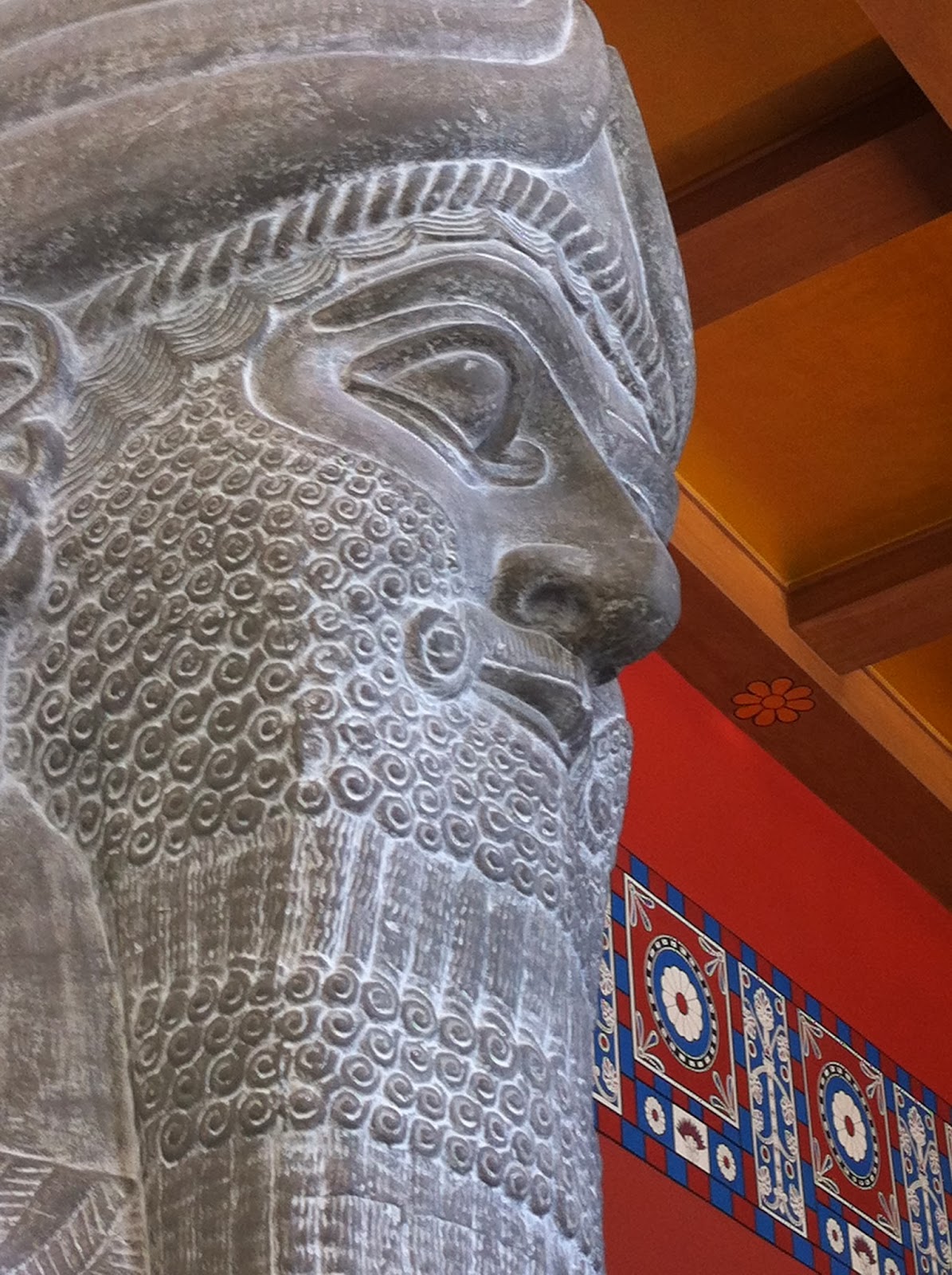
- Pergamon Museum
 |  |
 |  |
- Hamburger Bahnhof (Invalidenstr. 50) Museum of the Present, with exhibits of contemporary art
- Film Museum
- Neue Nationalgalerie (Potsdamer Str. 50)
- East Side Gallery
- Deutsches Technikmuseum
- Jüdisches Museum (Lindenstr. 9-14) – an architectural masterpiece, as well as one of the most poignant museums I’ve ever visited


 |  |
 |  |
 |  |
- Kaiser-Wilhelm-Gedächtniskirche – a destroyed church that stands as a reminder of the atrocities of the war
- Museum für Fotografie, Helmut Newton Stiftung
Museum Ludwig
Roy Lichtenstein's M-Maybe, Andy Warhol's Brillo Boxes and George Segal's Restaurant Window, all icons of American Pop Art, had all just been completed when in 1969 they arrived as a loan at Wallraf-Richartz-Museum. The works come from Peter and Irene Ludwig, who had put together the largest Pop Art collection outside of the USA. The Museum Ludwig is devoted to modern art from the beginning of the 20th century.
It's also the home of one of the world's largest collections of the works of Pablo Picasso, equaled only by the Picasso museums of Barcelona and Paris. The museum's collection was beefed up when Irene Ludwig, widow of the late German art patron Peter Ludwig, who donated 774 works of Picasso to the museum.
Mathildenhohe
The Artists’ Colony Mathildenhöhe is considered the most beautiful Art Nouveau/Jugendstil complex in Germany. It provided impulses toward reform in the areas of architecture, landscape art, interior design, and arts and crafts.
 |  |
 |  |
 |  |
- German Film Museum – explains how pictures took their first steps pictures and how film tricks work
- Goethe House and Goethe Museum
- Museum of Modern Art – My personal favorite museum in Frankfurt that houses art from 1960 to the present day, including Pop Art, object art and room installations.
- Natural History Museum Senckenberg – One of the large Natural History Museum in Germany, NHM makes the development of our planet and the diversity of life easy to understand.
- Schirn Kunsthalle – Top-quality exhibitions with constantly new aspects from art and society attract a broad spectrum of visitors to the Schirn.
- Städel – The internationally renowned Städel Museum on the Main riverbank exhibits masterpieces from 7 centuries – a must for anyone visiting Frankfurt.
Hamburg
The leading art museum in northern Germany, the Kunsthalle is one of the most important in Europe, with some 3,000 paintings in its treasure-trove, along with some 400 sculptures. Some of its rare treasures date from the 14th century, including works by Bertram, the leading German master of the time. One section of the gallery also displays modern works, including pieces by such artists as Andy Warhol, Joseph Beuys, and Picasso.
Herford
Who would have thought that an architectural masterpiece by Frank Gehry would stand in the middle of vast farmland in Northern Germany?
Nevertheless, the idea for the museum formed in 2000, drawing from Herford's status as a German center of furniture and home furnishing production, reflecting on its name MARTa is an acronym for Möbel (German for furniture), ART (simply art in English), and Ambiente (ambience). Then, Frank Gehry put his distinctive touch on the brick and stainless steel structure in 1998, and built both a unique design and a signature building that obviously is of Gehry’s artistic mind.
The museum has a nice collection of contemporary art; however, the building itself seems to be the main attraction.
Kassel
Every 5 years, the art world gather in Kassel to celebrate the dOCUMENTA, one of the most important art exhibitions in the world that showcases the latest in modern and contemporary art.
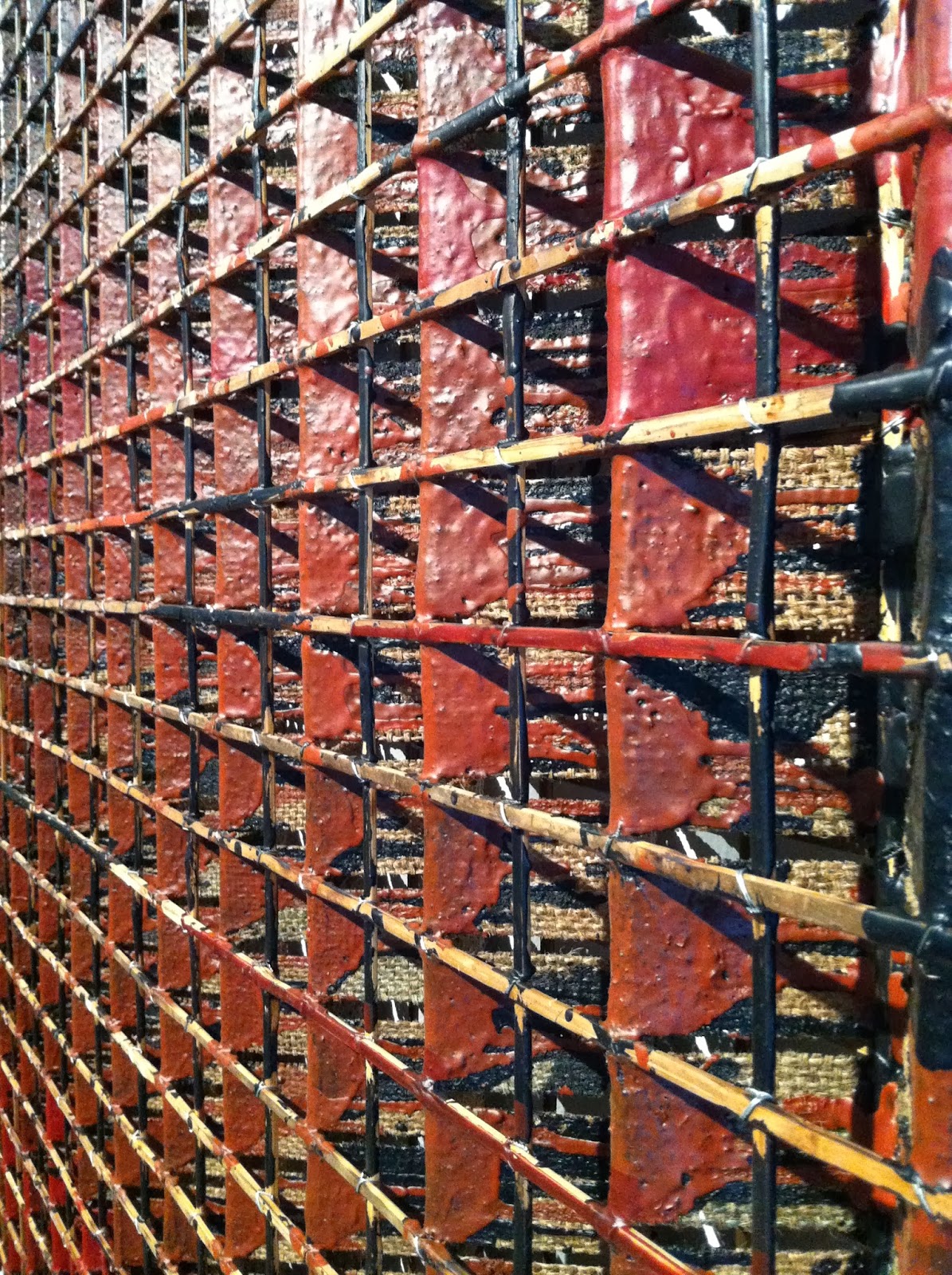 For 100 days, over 150 artists present a wide spectrum of contemporary art, paintings, photographs, sculptures, videos, performance art, etc, from 55 countries. It’s a spectacular event that turns much of this industrial town into (literally) a walking museum, and there are displays of art works and exhibits throughout the center of the city, including the Orangerie.
Documenta is not one of these art shows that focus on marketing and sales. It’s not about finding “art work” to display in the new office building or that goes with your livingroom sofa. There are no glitz and glam, and most of the exhibits displayed are true reflections and interactions of the world around us. It’s definitely art for art's sake.
For almost 60 years, it has remained true to intentions of the original curator Arnold Bode, discovering and celebrating modern art, which was banished and repressed during the cultural darkness of Nazism, and it continues to enlighten and enrich the world with its own unique voice. There is also an extensive program of lectures, seminars, congresses, films, and poetry readings, as well as a writers’ residency and programs initiated by dOCUMENTA participants.
I have visited Kassel to see Documenta for the past 15 years, and every time, I leave with new knowledge and new perspective of the world.


For 100 days, over 150 artists present a wide spectrum of contemporary art, paintings, photographs, sculptures, videos, performance art, etc, from 55 countries. It’s a spectacular event that turns much of this industrial town into (literally) a walking museum, and there are displays of art works and exhibits throughout the center of the city, including the Orangerie.Documenta is not one of these art shows that focus on marketing and sales. It’s not about finding “art work” to display in the new office building or that goes with your livingroom sofa. There are no glitz and glam, and most of the exhibits displayed are true reflections and interactions of the world around us. It’s definitely art for art's sake.
For almost 60 years, it has remained true to intentions of the original curator Arnold Bode, discovering and celebrating modern art, which was banished and repressed during the cultural darkness of Nazism, and it continues to enlighten and enrich the world with its own unique voice. There is also an extensive program of lectures, seminars, congresses, films, and poetry readings, as well as a writers’ residency and programs initiated by dOCUMENTA participants.
I have visited Kassel to see Documenta for the past 15 years, and every time, I leave with new knowledge and new perspective of the world.
Munich
- Alte Pinakothek – Close to Munich's English Garden is a unique ensemble of three museums, each of them highlighting a different period in European art. Start with the Alte Pinakothek, home to over 800 European masterpieces from the Middle Ages to the end of the Rococo.
- Galerie im Lenbachhaus und Kunstbau – The Lenbachhaus is very close to Propyläen and Glyptothek at Königsplatz which are must sees on your Munich visit. So you might as well take a glimpse into what once was the homa of a famous portraitis of the late 19th century. Also, there's a collection of paintings of the "Blauer Reiter" on display. The Munich based "Blauer Reiter" ranges among the moste important art movements of the 20th century. Among the artists is Kadinsky who is one of the founding fathers of abstract paintings and modern art.
- Haus der Kunst – At the southern side of the "English Garden" (Englischer Garten). The building with its row of Greek pillars in front of the facade was constructed in the year 1932, i.e. one year before Hitler and the Nazis took power in 1933. The building became known when the nazis used it to show their exhibition "Entartete Kunst" which was the starting point of the persecution of intellectuals and artists in the "Third Reich". Nowadays, there is a vernissage of an exhibition of very avantgardistic modern art.
- Neue Pinakothek – The Neue Pinakothek features art and sculpture from the late 18th to the beginning of the 20th century. Highlights include German art of the 19th century with paintings from romanticist Caspar David Friedrich and the private art collection of King Ludwig I. There is also a fantastic collection of French impressionists including Monet, Degas, and Renoir.
- Pinakothek der Moderne – The Pinakothek der Moderne, completed in 2002, is the largest museum for modern art in Germany. The vast gallery complex unites four collections under its roof: The State Graphic Collection with more than 400,000 prints, drawings and works on paper; the State Museum for Applied Arts; the Museum of Architecture of the Technical University of Munich, the largest specialist collection of its kind in Germany; and the State Gallery of Modern Art which showcases stars such as Picasso, Magritte, Kandinsky, Francis Bacon, and Warhol.


